








 English
 Français
 Deutsch
 Italiano
 Русский
 Español
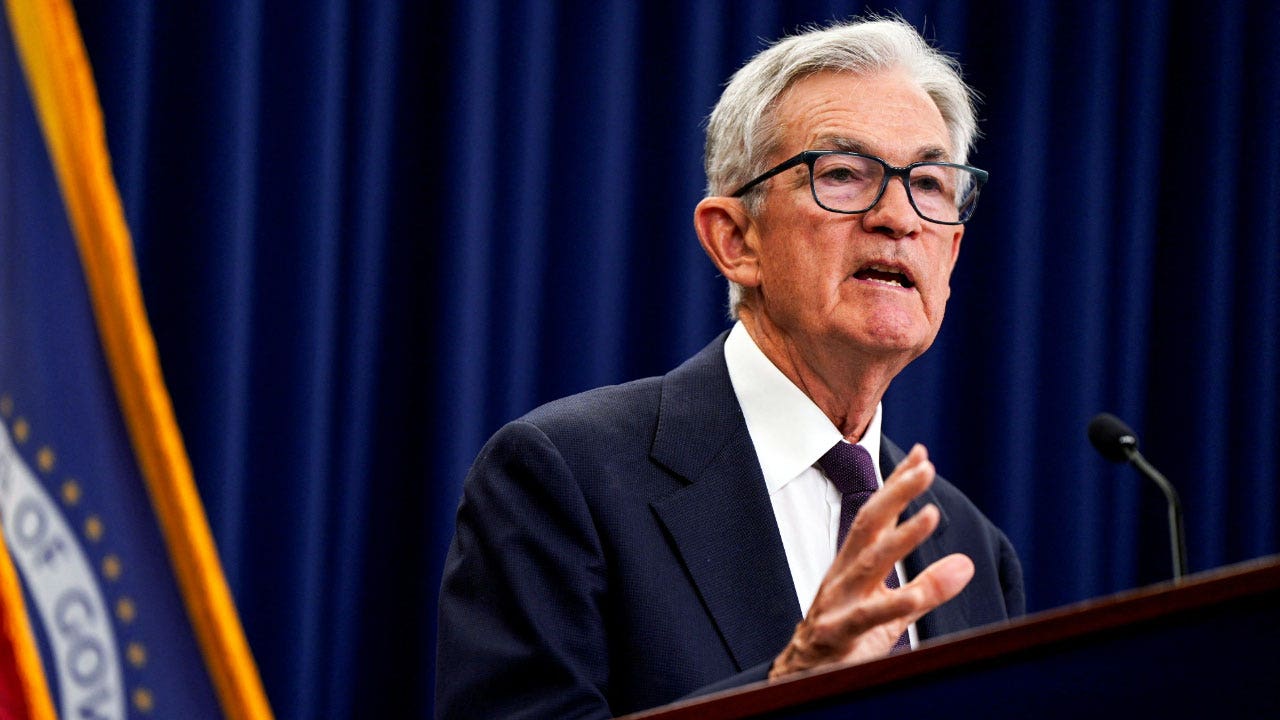
Federal Reserve policymakers were deeply divided over the decision to cut interest rates at their meeting in December as the U.S. economy faces a challenging combination of risks, according to the minutes from their latest policy meeting.
The Fed cut rates by 25 basis points for the third straight time at their December meeting, lowering the benchmark federal funds rate to a range of 3.5% to 3.75%. The decision occurred against the backdrop of a slowing labor market with inflation elevated above the Fed’s 2% target, a dynamic which puts both sides of the central bank’s dual mandate at risk.
Two voting members of the Federal Open Market Committee dissented in favor of leaving rates unchanged, while one dissented in favor of a larger 50 basis point cut. Further, six officials released economic projections suggesting that they were opposed to a cut.
“Most participants” voted in favor of a cut, while “some” of those policymakers argued that it was an appropriate forward-looking strategy that would “help stabilize the labor market” amid a recent slowdown in job creation. However, others “expressed concern that progress towards the committee’s 2% inflation objective had stalled.”
TRUMP CALLS FED CHAIR POWELL A ‘FOOL,’ THREATENS LAWSUIT OVER HEADQUARTERS RENOVATION
“Some participants suggested that, under their economic outlooks, it would likely be appropriate to keep the target rate unchanged for some time after a lowering of the range at this meeting,” the minutes said.
Policymakers including Fed Chair Jerome Powell have suggested that the central bank’s policy level is now closer to neutral and that further rate cuts may be on hold in the new year as they await fresh economic data, after the historic 43-day government shutdown that ended in November delayed key economic reports in the final months of the year.
FED’S GOOLSBEE SAYS RATES ‘COULD COME DOWN’ IF ECONOMY STAYS ON ‘GOLDEN PATH’
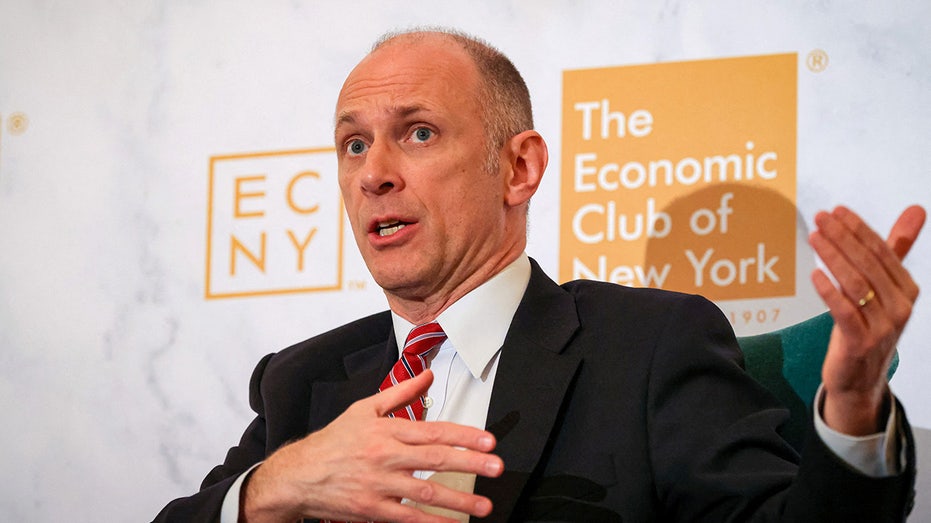
Some of the policymakers who were opposed or skeptical of the decision to cut rates in December “suggested that the arrival of a considerable amount of labor market and inflation data over the coming intermeeting period would be helpful on making judgments about whether a rate reduction was warranted.”
December inflation and labor market data is due to be released on Jan. 9 and Jan. 13, as the federal agencies tasked with collecting data and compiling economic reports return to their normal release schedule in the wake of the shutdown.
POWELL ACKNOWLEDGES LABOR MARKET SLOWDOWN BUT REJECTS FEARS OF STEEP DECLINE
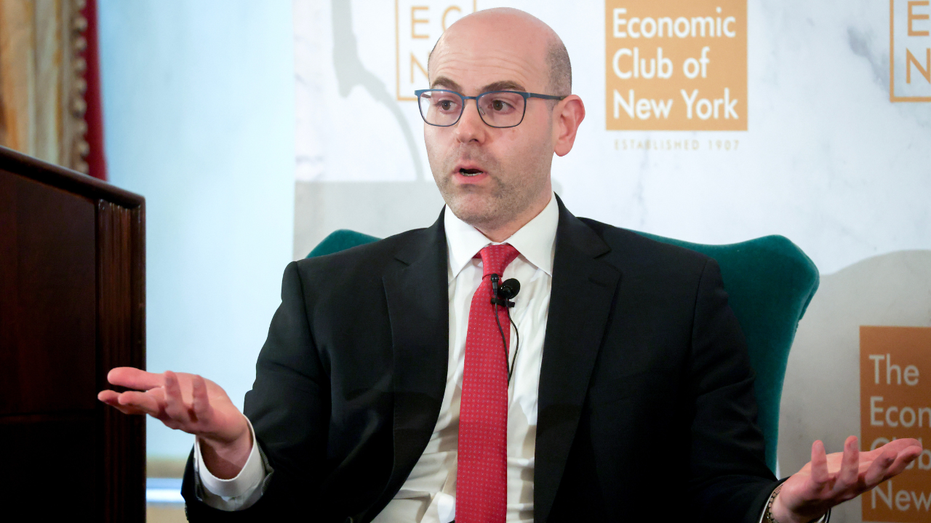
The minutes also showed that policymakers are monitoring for signs of a “K-shaped” economy in which there’s a divergence in the spending patterns of high- and low-income households.
“A majority of participants mentioned evidence of stronger spending growth for high-income households, while lower-income households had become increasingly price sensitive and were making adjustments to their spending in response to the outsized cumulative increase in the prices of basic goods and services over the past several years,” the minutes said.
The Fed will hold its next monetary policy meeting on Jan. 27 and Jan. 28 and the market sees a higher likelihood that it will hold rates steady.
The probability of the Fed leaving rates at its current range of 3.5% to 3.75% is currently 85%, up from 67.1% a month ago, according to the CME FedWatch tool.
Reuters contributed to this report.
Read the full article here